
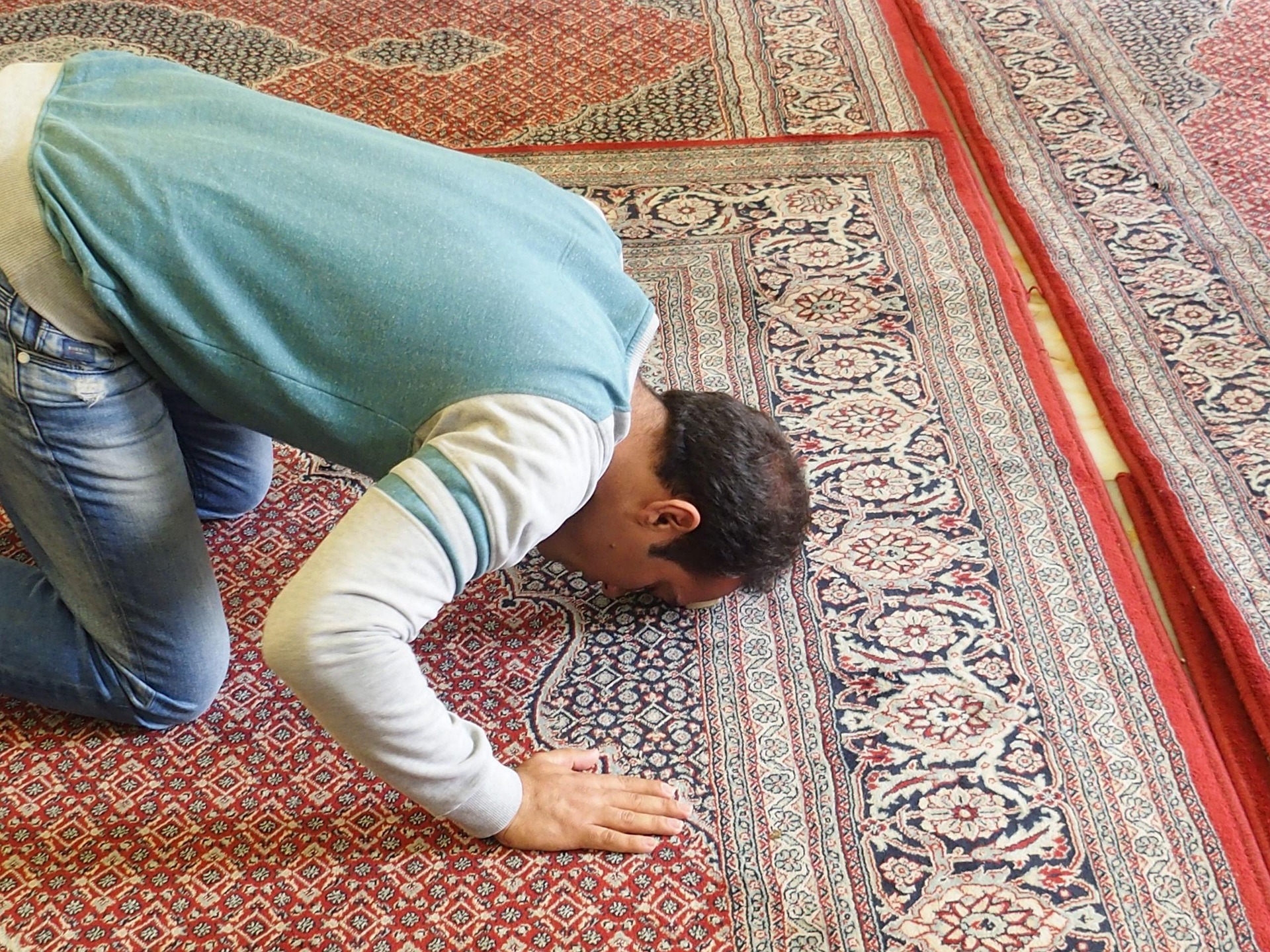

Daily Supplications (Adhkār) Every Muslim Should Recite
The remembrance of Allah (dhikr) is among the greatest acts of worship a Muslim can perform. It strengthens faith, brings tranquillity to the heart, protects a believer from harm, and keeps the servant connected to his Lord throughout the day and night. Islam teaches Muslims to remember Allah in every situation—when waking, sleeping, eating, travelling, entering and leaving the home, and many other daily activities.
Allah says:
“O you who believe! Remember Allah with much remembrance, and glorify Him morning and evening.”
(Qur’an 33:41–42)
Allah also says:
“Verily, in the remembrance of Allah do hearts find rest.”
(Qur’an 13:28)
The Prophet Muhammad ﷺ consistently remembered Allah and encouraged his companions to do the same. Following these daily adhkār is part of following the Sunnah and earning Allah’s pleasure.
The Virtues of Daily Adhkār
The Qur’an and authentic Sunnah mention many virtues of remembering Allah.
Among them are:
It brings peace and comfort to the heart (Qur’an 13:28).
It protects the believer from Shayṭān.
It earns immense rewards and forgiveness.
It raises one’s rank with Allah.
It is among the easiest acts of worship with the greatest reward.
The Prophet ﷺ said:
“The example of the one who remembers his Lord and the one who does not is like the living and the dead.”
(Sahih al-Bukhari, no. 6407)
He also said:
“Shall I not inform you of the best of your deeds… It is the remembrance of Allah.”
(Jami’ al-Tirmidhi, no. 3377 – Hasan)
1. Morning Supplications
The morning adhkār are recited after Fajr until shortly after sunrise.
A. Seeking Allah’s Protection
Arabic
اللَّهُمَّ بِكَ أَصْبَحْنَا، وَبِكَ أَمْسَيْنَا، وَبِكَ نَحْيَا، وَبِكَ نَمُوتُ، وَإِلَيْكَ النُّشُورُ
Transliteration
Allahumma bika asbahnā, wa bika amsaynā, wa bika naḥyā, wa bika namūt, wa ilaykan-nushūr.
Translation
“O Allah, by You we enter the morning, by You we enter the evening, by You we live, by You we die, and to You is the resurrection.”
Source: Sunan al-Tirmidhi (3388 – Hasan)
Benefit
This supplication reminds the believer that every aspect of life and death is in Allah’s control.
2. Evening Supplications
The evening adhkār are recited after ‘Aṣr until sunset or during the early evening.
Arabic
اللَّهُمَّ بِكَ أَمْسَيْنَا وَبِكَ أَصْبَحْنَا وَبِكَ نَحْيَا وَبِكَ نَمُوتُ وَإِلَيْكَ الْمَصِيرُ
Transliteration
Allahumma bika amsaynā wa bika aṣbaḥnā wa bika naḥyā wa bika namūt wa ilaykal-maṣīr.
Translation
“O Allah, by You we enter the evening, by You we enter the morning, by You we live, by You we die, and to You is the final return.”
Source: Sunan al-Tirmidhi (3391 – Hasan)
Benefit
The believer ends the day remembering Allah and preparing for the Hereafter.
3. Supplication Before Sleeping
Arabic
بِاسْمِكَ اللَّهُمَّ أَمُوتُ وَأَحْيَا
Transliteration
Bismika Allahumma amūtu wa aḥyā.
Translation
“In Your Name, O Allah, I die and I live.”
Source: Sahih al-Bukhari (6324)
Benefit
The believer entrusts his soul to Allah before sleep.
4. Supplication Upon Waking
Arabic
الْحَمْدُ لِلَّهِ الَّذِي أَحْيَانَا بَعْدَ مَا أَمَاتَنَا وَإِلَيْهِ النُّشُورُ
Transliteration
Alhamdu lillāhil-ladhī aḥyānā ba’da mā amātanā wa ilayhin-nushūr.
Translation
“All praise belongs to Allah who gave us life after causing us to die, and to Him is the resurrection.”
Source: Sahih al-Bukhari (6312)
Benefit
It reminds us that every new day is a blessing from Allah.
5. Supplications Before and After Eating
Before Eating
Arabic
بِسْمِ اللَّهِ
Transliteration
Bismillāh.
Translation
“In the Name of Allah.”
Source: Sahih Muslim (2022)
If Forgotten
Arabic
بِسْمِ اللَّهِ أَوَّلَهُ وَآخِرَهُ
Transliteration
Bismillāhi awwalahu wa ākhirahu.
Translation
“In the Name of Allah, at its beginning and its end.”
Source: Sunan Abi Dawud (3767 – Hasan)
After Eating
Arabic
الْحَمْدُ لِلَّهِ الَّذِي أَطْعَمَنِي هَذَا وَرَزَقَنِيهِ مِنْ غَيْرِ حَوْلٍ مِنِّي وَلَا قُوَّةٍ
Transliteration
Alhamdu lillāhil-ladhī aṭ’amanī hādhā wa razaqanīhi min ghayri ḥawlin minnī wa lā quwwah.
Translation
“All praise belongs to Allah who fed me this and provided it for me without any power or strength from me.”
Source: Sunan al-Tirmidhi (3458 – Hasan)
Benefit
Expressing gratitude increases blessings.
6. Supplications Before Entering and Leaving the Home
Entering the Home
Arabic
بِسْمِ اللَّهِ وَلَجْنَا وَبِسْمِ اللَّهِ خَرَجْنَا وَعَلَى اللَّهِ رَبِّنَا تَوَكَّلْنَا
Transliteration
Bismillāhi walajnā wa bismillāhi kharajnā wa ‘alā Allāhi Rabbinā tawakkalnā.
Translation
“In the Name of Allah we enter, in the Name of Allah we leave, and upon Allah, our Lord, we rely.”
Source: Sunan Abi Dawud (5096 – Hasan)
Leaving the Home
Arabic
بِسْمِ اللَّهِ تَوَكَّلْتُ عَلَى اللَّهِ لَا حَوْلَ وَلَا قُوَّةَ إِلَّا بِاللَّهِ
Transliteration
Bismillāh, tawakkaltu ‘alallāh, lā ḥawla wa lā quwwata illā billāh.
Translation
“In the Name of Allah. I place my trust in Allah. There is no might nor power except with Allah.”
Source: Sunan Abi Dawud (5095), Jami’ al-Tirmidhi (3426 – Sahih)
Benefit
Allah grants protection and guidance.
7. Supplications Before Entering and Leaving the Mosque
Entering
Arabic
اللَّهُمَّ افْتَحْ لِي أَبْوَابَ رَحْمَتِكَ
Transliteration
Allahumma iftaḥ lī abwāba raḥmatik.
Translation
“O Allah, open for me the doors of Your mercy.”
Source: Sahih Muslim (713)
Leaving
Arabic
اللَّهُمَّ إِنِّي أَسْأَلُكَ مِنْ فَضْلِكَ
Transliteration
Allahumma innī as’aluka min faḍlik.
Translation
“O Allah, I ask You from Your bounty.”
Source: Sahih Muslim (713)
8. Supplications Before and After Using the Restroom
Before Entering
Arabic
اللَّهُمَّ إِنِّي أَعُوذُ بِكَ مِنَ الْخُبُثِ وَالْخَبَائِثِ
Transliteration
Allahumma innī a’ūdhu bika minal-khubthi wal-khabā’ith.
Translation
“O Allah, I seek refuge in You from the male and female devils.”
Source: Sahih al-Bukhari (142); Sahih Muslim (375)
After Leaving
Arabic
غُفْرَانَكَ
Transliteration
Ghufrānak.
Translation
“I seek Your forgiveness.”
Source: Sunan Abi Dawud (30); Jami’ al-Tirmidhi (7 – Sahih)
9. Supplication Before Travelling
Arabic
بِسْمِ اللَّهِ، الْحَمْدُ لِلَّهِ، سُبْحَانَ الَّذِي سَخَّرَ لَنَا هَذَا وَمَا كُنَّا لَهُ مُقْرِنِينَ وَإِنَّا إِلَى رَبِّنَا لَمُنْقَلِبُونَ
Transliteration
Bismillāh. Alhamdu lillāh. Subḥānal-ladhī sakhkhara lanā hādhā wa mā kunnā lahu muqrinīn wa innā ilā Rabbinā lamunqalibūn.
Translation
“In the Name of Allah. All praise belongs to Allah. Glory be to Him who has subjected this to us, though we could never have accomplished it ourselves, and indeed to our Lord we shall surely return.”
Source: Sahih Muslim (1342)
Benefit
The traveller acknowledges Allah’s control and seeks His protection throughout the journey.
Common Mistakes to Avoid
Reciting adhkār without understanding their meanings.
Neglecting the authentic wording by replacing it with unauthenticated phrases.
Depending on weak or fabricated narrations.
Treating adhkār as mere habits instead of sincere acts of worship.
Believing that specific numbers or methods have virtue without authentic evidence.
Forgetting that sincerity (ikhlāṣ) and following the Sunnah are essential for acceptance.
Practical Tips for Making Adhkār a Daily Habit
Learn one authentic supplication at a time until it becomes familiar.
Keep a reliable book of authentic adhkār, such as Hisn al-Muslim (Fortress of the Muslim).
Recite the morning adhkār after Fajr and the evening adhkār after ‘Aṣr or before sunset.
Teach these supplications to your family and children.
Reflect upon the meanings while reciting them.
Remain consistent, even if beginning with only a few daily supplications.
Conclusion
Daily adhkār are a priceless gift from Allah. They require little effort yet bring immense rewards, protection, peace of mind, and closeness to our Creator. The Prophet Muhammad ﷺ faithfully remembered Allah in every circumstance, providing the perfect example for his Ummah. Every Muslim should strive to preserve these authentic supplications, recite them with sincerity and understanding, and avoid unauthenticated practices. By making daily remembrance a constant habit, the believer fills every part of the day with worship and hope in Allah’s mercy, following the guidance of the Qur’an and the authentic Sunnah according to the understanding of the righteous predecessors (al-Salaf al-Ṣāliḥ).
