
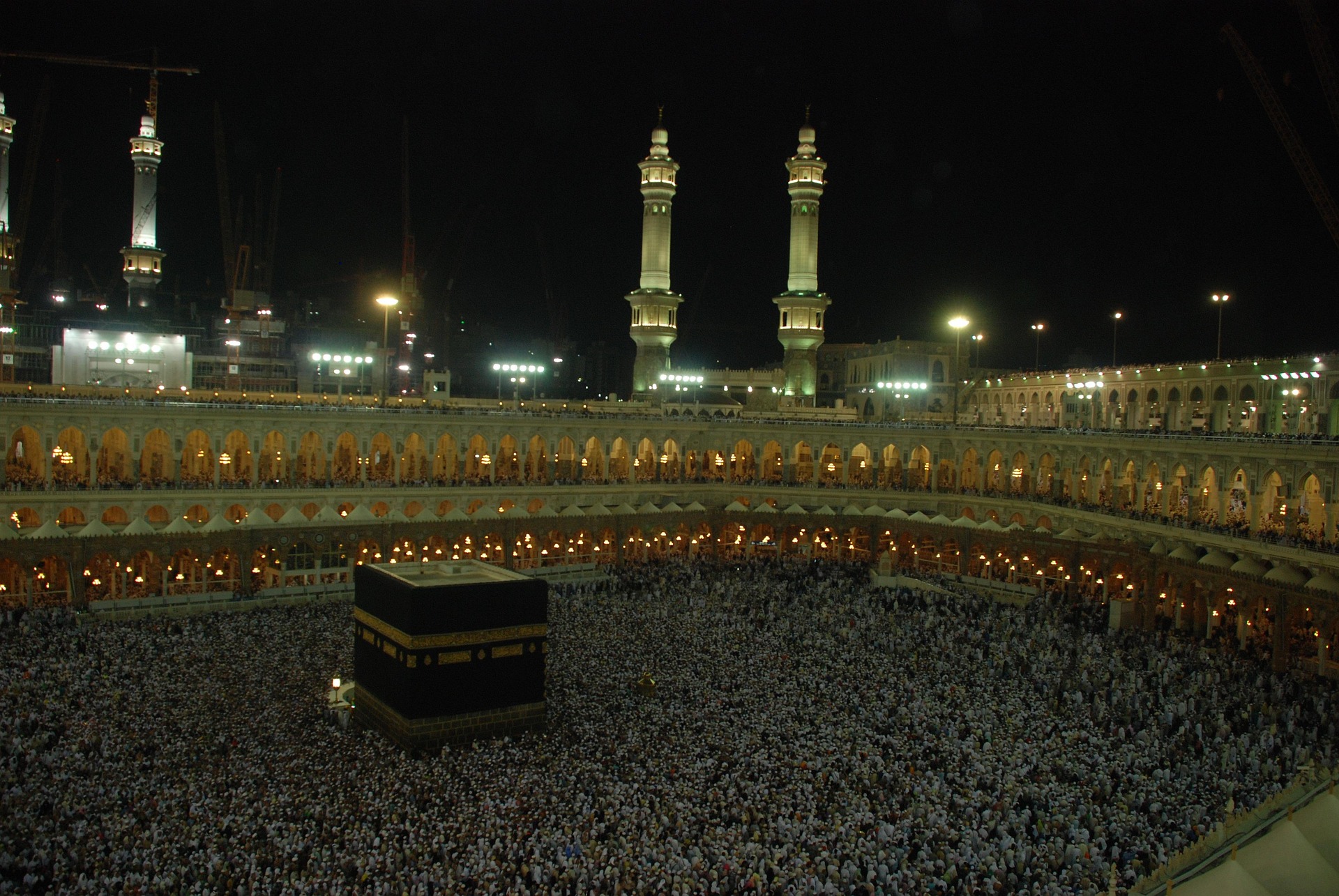

How to Perform Hajj in Islam
A Complete Step-by-Step Guide According to the Qur’an and Sunnah
Introduction: What is Hajj?
Hajj is the major pilgrimage to the Sacred House of Allah, the Ka‘bah, in . It is one of the five pillars of Islam and is obligatory once in a lifetime for every Muslim who is physically, financially, and safely able to perform it.
Allah says in the Qur’an:
“And pilgrimage to the House is a duty owed to Allah by all people who are able to undertake it.”
(Surah Aal ‘Imran 3:97)
Hajj takes place annually during the Islamic month of Dhul-Hijjah, especially between the 8th and 13th days.
The pilgrimage teaches submission to Allah, sincerity, humility, patience, sacrifice, unity, and remembrance of the Hereafter.
The Importance and Virtues of Hajj
Hajj is among the greatest acts of worship in Islam.
The Prophet Muhammad ﷺ said:
“Islam is built upon five…”
and he mentioned:
“…the pilgrimage to the House.”
(Sahih al-Bukhari and Sahih Muslim)
He ﷺ also said:
“Whoever performs Hajj for Allah’s sake and does not commit obscenity or wrongdoing will return like the day his mother gave birth to him.”
(Sahih al-Bukhari)
Another authentic Hadith states:
“An accepted Hajj has no reward except Paradise.”
(Sahih al-Bukhari and Sahih Muslim)
Hajj is a symbol of the unity of Muslims. People from every nation gather together wearing simple garments, worshipping one Lord.
Conditions That Make Hajj Obligatory
Hajj becomes obligatory when the following conditions are met:
The person is Muslim
Sane and mentally capable
Has reached puberty
Free (not enslaved)
Physically able
Financially able
The route is safe
For women, many scholars also mention the requirement of a mahram (male guardian) for travel, based on authentic Hadith, while some contemporary scholars allow organised safe travel groups under certain conditions. This is an area of scholarly difference.
The Different Types of Hajj
1. Hajj al-Tamattu’
This is the most common form for pilgrims travelling from outside Saudi Arabia.
It involves:
Performing ‘Umrah first during the Hajj months
Exiting Ihram after ‘Umrah
Entering Ihram again for Hajj on the 8th of Dhul-Hijjah
A sacrifice (Hady) is required.
2. Hajj al-Qiran
The pilgrim combines Hajj and ‘Umrah together in one Ihram.
The pilgrim remains in Ihram until the completion of Hajj
A sacrifice is required
3. Hajj al-Ifrad
The pilgrim performs Hajj only without ‘Umrah.
No sacrifice is required unless voluntarily offered
Preparing for Hajj
1. Sincere Intention (Niyyah)
Hajj must be performed sincerely for Allah alone, not for status, praise, or worldly recognition.
Allah says:
“And they were not commanded except to worship Allah, being sincere to Him in religion.”
(Surah al-Bayyinah 98:5)
2. Repentance (Tawbah)
Before travelling, the pilgrim should:
Repent sincerely from sins
Return people’s rights
Seek forgiveness
Resolve disputes
Increase in prayer and good deeds
3. Financial Preparation
Hajj should be funded with halal earnings.
The pilgrim should:
Clear debts if possible
Leave sufficient support for family
Avoid extravagance
4. Spiritual Preparation
It is recommended to:
Learn the rulings of Hajj
Study the Sunnah
Increase Qur’an recitation
Make abundant dhikr and du‘a
5. Preparing for Ihram
For men:
Wear two white unstitched cloths
Avoid perfume after entering Ihram
Wear sandals if possible
For women:
Wear loose modest clothing
No specific colour is required
Do not wear niqab or gloves while in Ihram
Step-by-Step Guide to Performing Hajj
First: Entering the State of Ihram
What is Ihram?
Ihram is the sacred state entered before beginning Hajj or ‘Umrah.
It includes:
Specific clothing
Certain restrictions
Sacred intention for worship
Miqat and Its Significance
The Miqat is the designated boundary that pilgrims must not cross without entering Ihram.
The Prophet ﷺ specified different Miqat points for people coming from different regions.
Before crossing the Miqat:
Perform ghusl if possible
Wear Ihram garments
Pray if convenient
Make intention for Hajj or ‘Umrah
Example intention:
“Labbayka Allahumma Hajjan”
(“O Allah, here I am intending Hajj.”)
Talbiyah and Its Meaning
After entering Ihram, pilgrims recite the Talbiyah frequently:
“Labbayka Allahumma labbayk, labbayka la sharika laka labbayk. Innal-hamda wan-ni‘mata laka wal-mulk, la sharika lak.”
Meaning:
“Here I am, O Allah, here I am. Here I am, You have no partner, here I am. Surely all praise, blessings, and dominion belong to You. You have no partner.”
Pilgrims continue reciting this often until the stoning of Jamrat al-‘Aqabah on the Day of Eid.
Arrival in Makkah
Upon entering , pilgrims should remain humble and engaged in remembrance of Allah.
Seeing the Ka‘bah for the first time is an emotional and blessed moment.
Tawaf al-Qudum (Arrival Tawaf)
Pilgrims perform seven circuits around the Ka‘bah in .
Rules of Tawaf:
Begin from the Black Stone (Hajar al-Aswad)
Keep the Ka‘bah on the left
Complete seven circles
Men performing Tawaf al-Qudum may uncover the right shoulder
Men may walk briskly in the first three circuits
After Tawaf:
Pray two rak‘ahs behind Maqam Ibrahim if possible
Drink Zamzam water
Allah says:
“And let them circumambulate the Ancient House.”
(Surah al-Hajj 22:29)
Sa‘i Between Safa and Marwah
Pilgrims walk seven times between the hills of Safa and Marwah.
Allah says:
“Indeed, Safa and Marwah are among the symbols of Allah.”
(Surah al-Baqarah 2:158)
Procedure:
Begin at Safa
Face the Ka‘bah and make du‘a
Walk to Marwah
Men jog lightly between the green markers
Complete seven trips ending at Marwah
For Hajj al-Tamattu’, pilgrims then trim or shave hair and exit Ihram until the 8th of Dhul-Hijjah.
The Days of Mina (8th Dhul-Hijjah)
On the 8th day:
Pilgrims enter Ihram again for Hajj (for Tamattu’ pilgrims)
Travel to
Pray Dhuhr, ‘Asr, Maghrib, ‘Isha, and Fajr there
Shorten prayers but do not combine them
This day is known as Yawm al-Tarwiyah.
Standing at Arafah (9th Dhul-Hijjah)
This is the greatest pillar of Hajj.
The Prophet ﷺ said:
“Hajj is ‘Arafah.”
(Sunan al-Tirmidhi)
Pilgrims travel to after sunrise.
Important actions:
Pray Dhuhr and ‘Asr combined and shortened
Spend the day making du‘a
Repent sincerely
Remember Allah abundantly
The best time is from noon until sunset.
The Prophet ﷺ said:
“The best supplication is the supplication on the Day of ‘Arafah.”
(Sunan al-Tirmidhi)
Muzdalifah
After sunset pilgrims travel to .
There they:
Pray Maghrib and ‘Isha together
Sleep overnight
Collect pebbles for stoning
This night teaches humility and simplicity.
Stoning the Jamarat (10th Dhul-Hijjah)
Pilgrims return to and stone Jamrat al-‘Aqabah with seven pebbles.
Each pebble is thrown individually while saying:
“Allahu Akbar”
This symbolises rejecting Shaytan and resisting temptation.
Animal Sacrifice (Hady/Qurbani)
Pilgrims performing Tamattu’ or Qiran offer a sacrifice.
Allah says:
“So pray to your Lord and sacrifice.”
(Surah al-Kawthar 108:2)
The meat is distributed to the needy.
Shaving or Trimming the Hair
Men:
Preferably shave the head completely
Or trim all hair evenly
Women:
Trim a small portion of hair
The Prophet ﷺ made du‘a three times for those who shaved their heads and once for those who trimmed.
(Sahih Muslim)
After this, most Ihram restrictions are lifted.
Tawaf al-Ifadah
Pilgrims return to to perform the major Tawaf of Hajj.
This Tawaf is an essential pillar of Hajj.
Pilgrims may also perform Sa‘i if required according to their type of Hajj.
Remaining Days in Mina
During the 11th and 12th days (and optionally the 13th):
Pilgrims remain in Mina
Stone all three Jamarat daily
Increase in dhikr, du‘a, and worship
Final Tawaf (Tawaf al-Wada‘)
Before leaving Makkah, pilgrims perform the farewell Tawaf.
The Prophet ﷺ instructed:
“None of you should leave until his last act is at the House.”
(Sahih Muslim)
Women experiencing menstruation are excused from this Tawaf.
Important Sunnah Acts During Hajj
Some recommended Sunnah practices include:
Frequent recitation of Talbiyah
Abundant du‘a and dhikr
Maintaining good character
Helping fellow pilgrims
Reading Qur’an
Following the Prophet’s example carefully
Staying patient and calm
Common Mistakes Pilgrims Should Avoid
Arguing and fighting
Pushing people during Tawaf
Treating Hajj as tourism
Neglecting obligatory prayers
Taking photos excessively instead of worshipping
Wasting time in gossip
Incorrectly throwing large objects at the Jamarat
Believing in superstitions without evidence
Allah says:
“There is to be no sexual relations, no disobedience, and no disputing during Hajj.”
(Surah al-Baqarah 2:197)
Etiquettes and Spiritual Lessons of Hajj
Hajj teaches:
Sincerity to Allah
Equality among Muslims
Patience during hardship
Sacrifice and obedience
Detachment from worldly pride
Brotherhood and unity
The simple white garments remind pilgrims of death and the Day of Judgement.
The Importance of Patience and Unity
Millions gather from different nations, languages, and backgrounds.
Patience is essential during:
Crowded areas
Delays
Heat and exhaustion
Allah loves those who are patient.
Hajj also demonstrates the unity of the Muslim Ummah.
Difference Between Hajj and ‘Umrah
Hajj
Obligatory once in a lifetime if able
Performed only during Hajj months
Includes ‘Arafah, Mina, Muzdalifah, and stoning rituals
‘Umrah
Voluntary according to most scholars
Can be performed at any time
Includes Ihram, Tawaf, Sa‘i, and hair trimming only
What Women Should Know About Hajj
Women should know:
Hajj is equally obligatory upon eligible women
Menstruating women may perform most rituals except Tawaf
Modesty and proper hijab remain important
Women do not shave the head completely
Patience and safety are important in crowded areas
The wives of the Prophet ﷺ performed Hajj, showing its importance for Muslim women.
Practical Tips for First-Time Pilgrims
Learn the rituals before travelling
Carry a small guidebook or notes
Stay hydrated
Keep comfortable footwear
Memorise essential du‘as
Avoid overexertion
Remain with your group
Be gentle with others
Focus on worship rather than social media
Conclusion: The Spiritual Purpose of Hajj
Hajj is a journey of faith, humility, sacrifice, and complete submission to Allah.
It revives the legacy of Prophet Ibrahim (Abraham) عليه السلام, his wife Hajar, and Prophet Isma‘il عليه السلام.
The pilgrimage reminds Muslims of:
The temporary nature of worldly life
The importance of repentance
The reality of the Hereafter
The unity of believers under one Lord
An accepted Hajj transforms the heart, increases taqwa (God-consciousness), and strengthens one’s relationship with Allah.
May Allah accept the Hajj of all pilgrims and grant the Muslim Ummah sincerity, guidance, and steadfastness. Ameen.
