
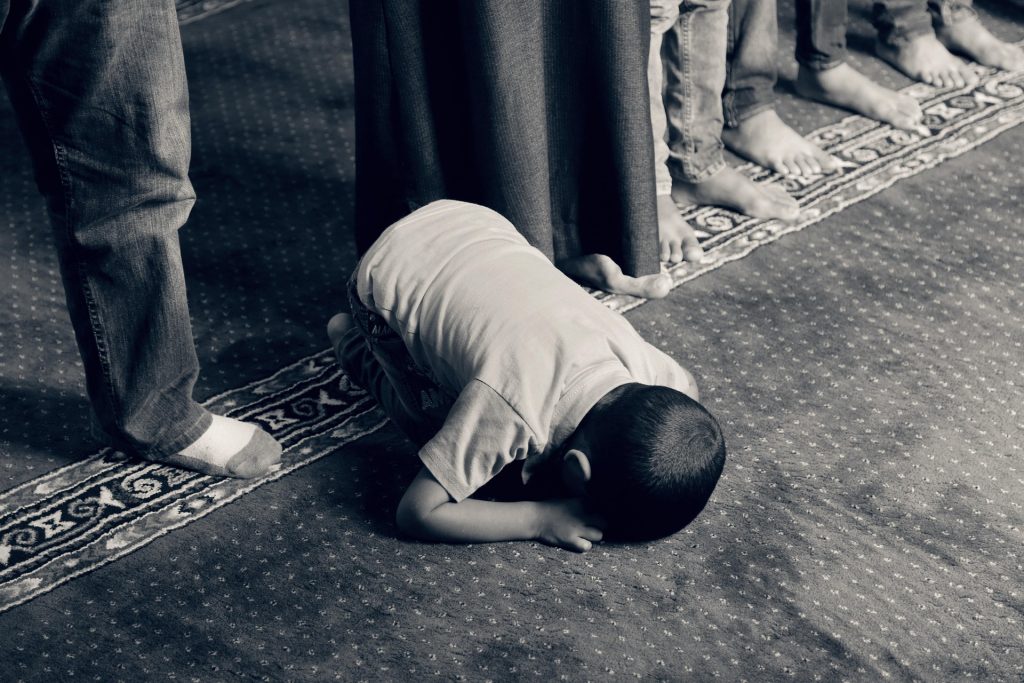
Ṣalāh (prayer) is one of the greatest acts of worship in Islam and the second pillar of the faith after the testimony of faith. It is a direct connection between a servant and Allah, performed five times a day as a reminder of purpose, gratitude, and submission. While many Muslims learn how to pray from family members or local communities, every believer should strive to observe Ṣalāh according to the Sunnah of Prophet Muhammad ﷺ, who said: “Pray as you have seen me praying.”
Observing Ṣalāh according to the Sunnah begins long before the prayer itself. A Muslim should ensure that they are in a state of purity by performing wuḍū’ (ablution) correctly and wearing clean clothing. It is also recommended to approach prayer calmly and with sincerity, understanding that one is about to stand before the Creator of the heavens and the earth.
When the time for prayer enters, the worshipper faces the Qiblah and begins with Takbīrat al-Iḥrām, saying “Allāhu Akbar” while raising the hands. This opening takbīr marks the beginning of the prayer and should be performed with full attention and humility. The worshipper then places the right hand over the left on the chest and recites the opening supplication, followed by Sūrat al-Fātiḥah. The recitation of al-Fātiḥah is an essential part of every rak‘ah, and it should be recited thoughtfully rather than rushed.
After al-Fātiḥah, it is Sunnah to recite another portion of the Qur’an. The worshipper then bows in rukū‘, placing the hands firmly on the knees and keeping the back straight. In this position, one glorifies Allah by saying, “Subḥāna Rabbiyal-‘Aẓīm” three times or more. The Prophet ﷺ performed rukū‘ with calmness and composure, avoiding haste.
Rising from rukū‘, the worshipper says, “Sami‘a Allahu liman ḥamidah” and then praises Allah. Next comes sujūd (prostration), one of the most beloved positions in prayer because it brings a person closest to Allah. During sujūd, the forehead, nose, palms, knees, and toes should all touch the ground. The worshipper says, “Subḥāna Rabbiyal-A‘lā” and may make additional supplications, seeking Allah’s mercy and guidance.
Between the two prostrations, one sits briefly and asks Allah for forgiveness. The prayer then continues through the remaining rak‘āt in the same manner. During the final sitting (tashahhud), the worshipper recites the prescribed supplications and sends blessings upon the Prophet ﷺ before concluding the prayer with taslīm, turning the head to the right and left while saying, “As-salāmu ‘alaykum wa raḥmatullāh.”
One of the most important aspects of praying according to the Sunnah is khushū‘—humility, concentration, and presence of heart. A prayer may be outwardly correct, but its true beauty lies in the sincerity and attentiveness of the worshipper. The Prophet ﷺ prayed with tranquillity, giving each posture its due right and remembering Allah throughout.
In a fast-paced world filled with distractions, observing Ṣalāh according to the Sunnah helps Muslims reconnect with their faith and strengthen their relationship with Allah. By learning and practising the prophetic way of prayer, believers can transform their daily prayers from routine actions into meaningful acts of devotion and spiritual renewal.